Responsive Menu
Add more content here...

NTSB Warns of a Safety Protection Gap for Conductors Working Near Live Tracks

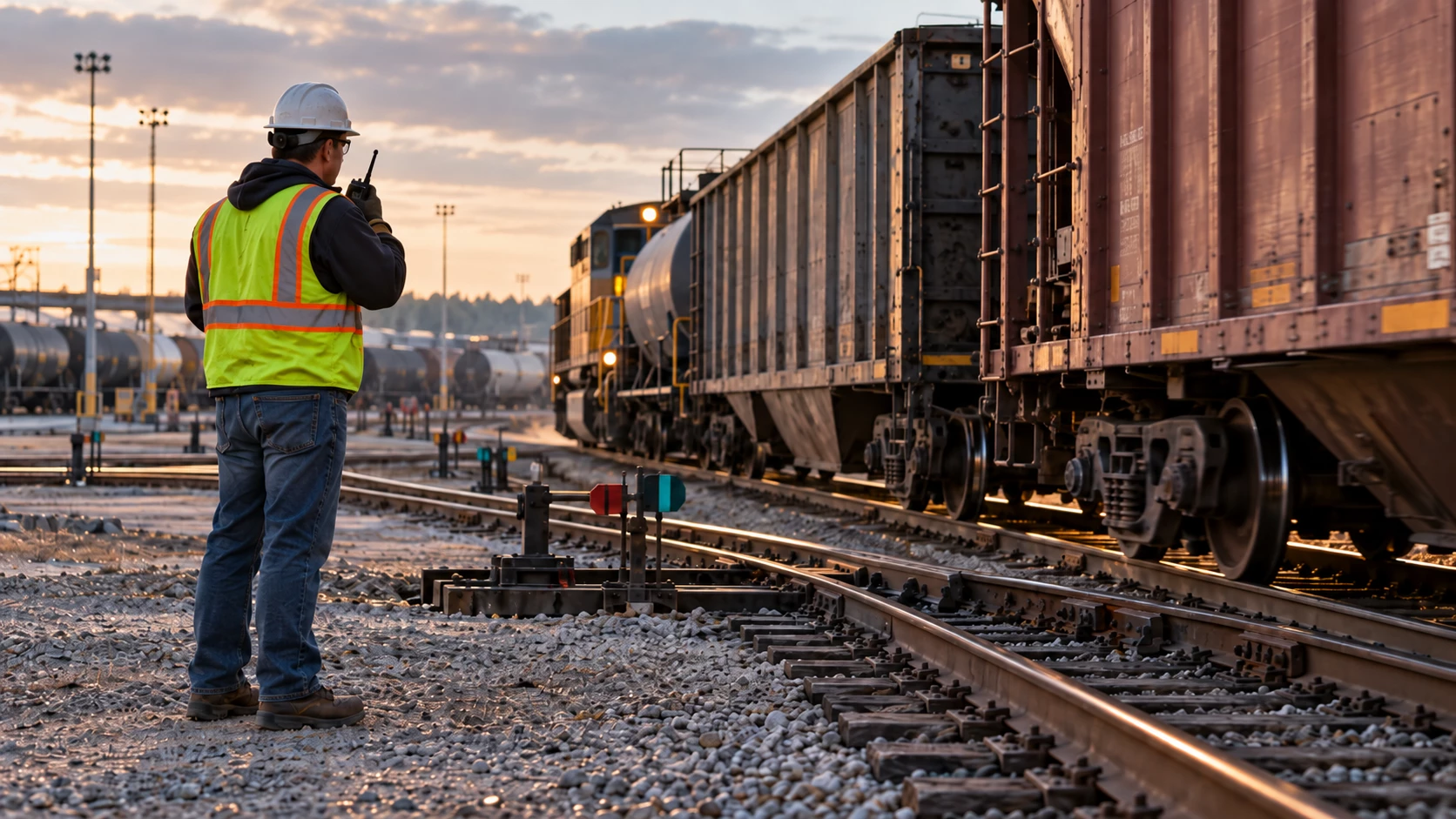
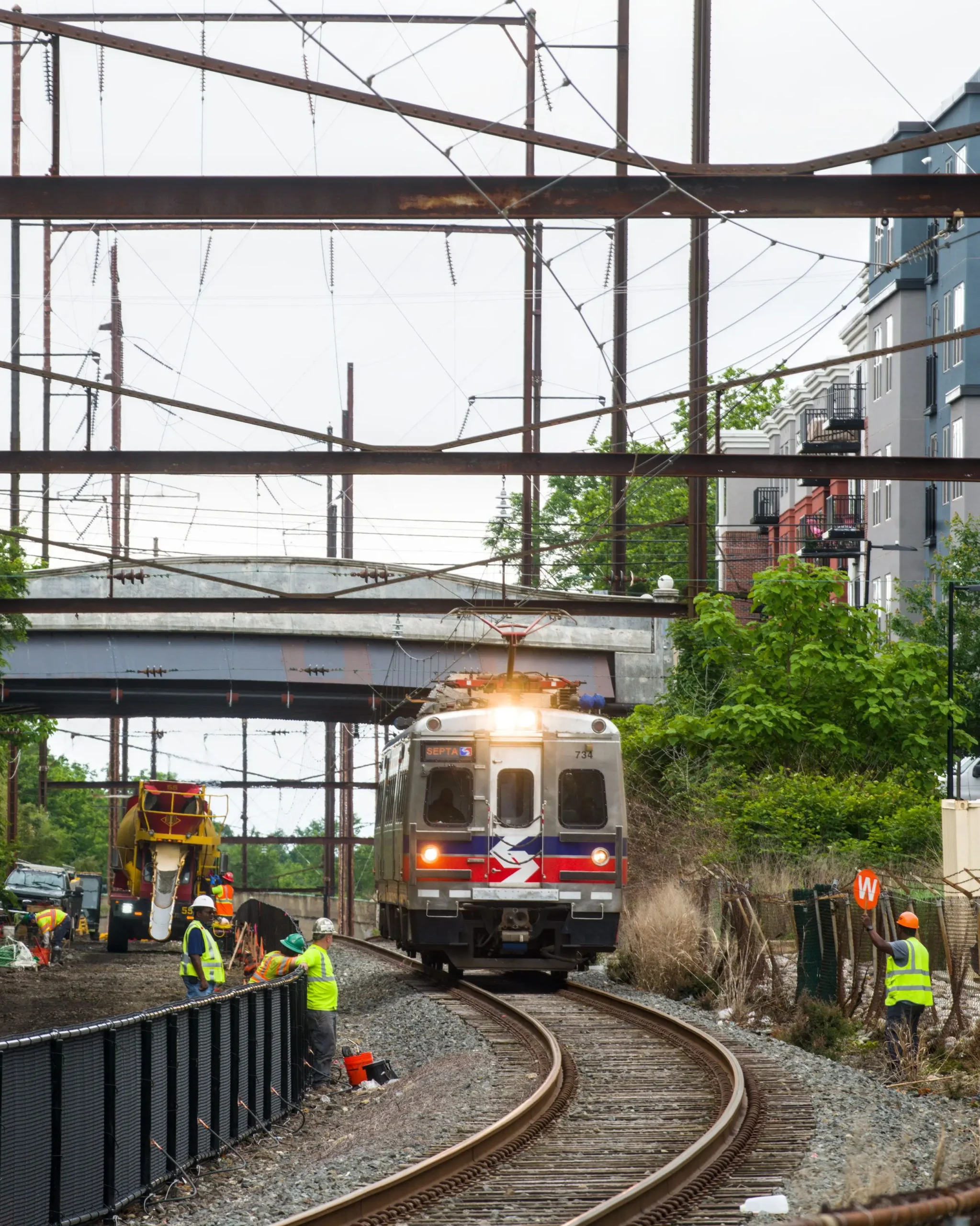
When a conductor gets off a locomotive to release hand brakes, inspect a hot wheel, or perform other work on the ground, an active track may be only a few feet away.

Yet the federal protections that apply when many maintenance-of-way employees work around live tracks do not necessarily apply the same way to conductors.

That distinction is at the center of a new National Transportation Safety Board (NTSB) warning.

On September 21, 2026, the NTSB issued Safety Alert SA-107, “Know the Risk of Working Near Live Tracks.” The agency warned that conductors and other operating employees may work beside tracks where train movements remain authorized without receiving the same federal on-track safety protections required for roadway workers. The alert followed two investigations in which conductors were fatally struck by trains on adjacent tracks.

For railroad workers, this is more than a reminder to “stay alert.” The NTSB is identifying a difference in how workers can be protected from the same basic hazard: a moving train on an adjacent track.

What Is the Safety Protection Gap?

Federal Railroad Administration (FRA) Roadway Worker Protection regulations under 49 C.F.R. Part 214, Subpart C require railroads to establish on-track safety programs for covered roadway workers. Depending on the work and location, those protections can include work limits, exclusive track occupancy, train-approach warnings, and specific protections for adjacent controlled tracks.

But conductors are operating employees, not necessarily “roadway workers” for purposes of those regulations when they get off a train to perform normal train-service duties.

The NTSB specifically highlighted that difference. According to SA-107, conductors and other operating employees are not subject to the same federal on-track safety requirements as roadway workers when they leave a train to work on or near the track.

That can create a dangerous situation.

A roadway worker performing covered work near an adjacent controlled track may have formal on-track protection in place. A conductor performing duties in essentially the same physical location may be expected to work while trains continue moving on the adjacent track.

The NTSB is now urging railroads to close that gap through their own operating rules and procedures.

Two Fatal Conductor Accidents Show Why the Issue Matters

The NTSB pointed to two fatal accidents when issuing the new alert.

Union Pacific Conductor Struck Near Kenosha, Wisconsin

On September 4, 2024, a Union Pacific freight train received an alert from a wayside detector indicating a possible overheated wheel.

The conductor got off the train to inspect the suspected hot wheel. He crossed to the adjacent main track and positioned himself near it as his freight train pulled past.

A southbound METRA commuter train approached on the adjacent track at about 54 mph.

The conductor was struck and killed.

The NTSB determined that the conductor was fouling the adjacent track when he was struck. Investigators also identified an inadequate job briefing and failures by other crew members to maintain situational awareness and warn the conductor about the approaching train as contributing factors.

After the accident, Union Pacific changed its special instructions on the Kenosha Subdivision to provide track-breach protection where employees were working on the ground.

BNSF Conductor Killed While Releasing Hand Brakes in Montana

A second accident occurred on October 19, 2025, in Columbus, Montana.

A BNSF conductor was working on the ground alongside a freight train parked on a siding. He was releasing hand brakes while working between the siding and an adjacent main track.

An eastbound BNSF grain train approached on the main track at approximately 37 mph.

The conductor entered the foul of the main track and was struck and killed.

In this investigation, the NTSB’s finding went directly to the protection issue.

The agency determined that the probable cause was the lack of a requirement for the train crew to establish on-track safety on the adjacent track when the conductor was working in a high-risk area for fouling that track. The NTSB also identified an inadequate job safety briefing and the lack of communication with the dispatcher as contributing factors.

That finding matters because it shifts the safety discussion beyond whether a worker looked in the right direction at the right moment.

The question becomes whether the work should have been structured so that the conductor was protected from the approaching train in the first place.

What Does It Mean to “Foul” a Track?

Railroad workers know how quickly clearance disappears when working between tracks.

For purposes of the NTSB alert, a track is considered fouled when a person or equipment is within the gauge or within four feet of the nearest rail and could be struck by moving equipment.

A conductor does not need to be standing between the rails to be in danger.

Tasks such as releasing hand brakes, inspecting equipment, checking a defect, walking a train, handling paperwork, or moving around cars can place a worker close enough to an adjacent track that one step, a loss of balance, distraction, or a narrow clearance can put the employee in the path of a train.

That is why the distinction the NTSB identified matters.

NTSB Wants Railroads to Strengthen Their Own Procedures

SA-107 does not itself create a new federal regulation requiring all conductors to receive roadway-worker protection.

Instead, the NTSB is urging railroads to adopt stronger procedures.

Among other measures, the NTSB recommends that railroads:

  • Require conductors working on the ground to brief with dispatchers about trains expected on adjacent tracks.
  • Strengthen job briefings involving work near live tracks.
  • Modify operating rules so conductors can request track protection when working near active tracks.
  • Require conductors working in these situations to carry and monitor portable radios.
  • Review procedures for work performed close to live tracks.
  • Reinforce the danger of unintentionally fouling an adjacent track.

The recommendations recognize an important safety principle: avoiding a struck-by accident should not depend entirely on whether an individual worker detects an approaching train in time.

Railroads control train movements, dispatcher communications, operating procedures, staffing, job briefings, and the circumstances under which track protection can be established.

Those systems can matter just as much as individual situational awareness.

What Should Conductors Take From the NTSB Alert?

The NTSB also recommends that conductors avoid working near active tracks when possible, work from the side of the train away from the live track when conditions allow, obtain information about nearby train movements, and carry a portable radio for relevant communications.

But the broader lesson should not be reduced to telling workers to “be more careful.”

Both accidents the NTSB examined involved experienced railroad operations where multiple layers of protection could have affected the outcome: operating rules, job briefings, dispatcher communication, crew communication, track protection, and how the job was planned.

Railroad safety depends on those systems working together.

Why This Safety Gap Can Matter in a FELA Case

The NTSB alert does not automatically establish railroad negligence when a conductor is struck near an active track.

A claim under the Federal Employers’ Liability Act (FELA) remains fact-specific. FELA allows qualifying railroad employees to pursue damages when railroad negligence contributes, in whole or in part, to an injury or death.

When a conductor is injured while working near a live track, an investigation may therefore examine questions such as:

  • What did the job briefing address about adjacent-track movements?
  • Did the railroad know the employee would be working close to a live track?
  • Was track protection available or permitted?
  • Did the crew communicate with the dispatcher before the employee went on the ground?
  • Did the briefing identify approaching trains?
  • Did applicable railroad rules adequately address the hazard?
  • Was the worker provided with an operative portable radio?
  • Were there close-clearance conditions or limited places of safety?
  • Had the railroad previously identified the location or work method as hazardous?
  • Could the task reasonably have been performed using a safer procedure?

These facts can become important when determining whether a railroad provided a reasonably safe method and place to work.

An NTSB safety alert is not, by itself, proof of FELA liability. But the underlying safety issues the agency identifies can overlap directly with questions of railroad negligence, training, supervision, work methods, communication, and hazard control.

Evidence Can Disappear Quickly After a Live-Track Accident

When a conductor or another railroad employee is seriously injured near an active track, some of the most important evidence may exist only temporarily.

Depending on the incident, relevant evidence can include:

  • Locomotive forward-facing video
  • Yard or facility surveillance video
  • Dispatcher recordings and logs
  • Crew radio communications
  • Train movement and lineup records
  • Event-recorder information
  • Job briefing documentation
  • Railroad operating rules and special instructions
  • Track diagrams and clearance measurements
  • Detector records
  • Employee statements and witness information
  • Photographs of the work location

Railroads can begin investigating a serious incident almost immediately. Workers and families should also consider what information to preserve. Our guide on what to do after a railroad injury outlines steps that can help protect medical care, documentation, and evidence.

The NTSB Warning Puts the Focus Where It Belongs: Preventing the Exposure

The danger of an adjacent live track is not new.

What makes Safety Alert SA-107 significant is the NTSB’s focus on the difference between protections afforded to roadway workers and those available to conductors working on the ground.

The two fatal accidents the agency highlighted show what can happen when a conductor’s work places him or her only feet from an unrestricted train movement.

The answer cannot depend solely on a worker seeing or hearing the train in time.

Job planning, track protection, dispatcher coordination, operating rules, communications, and safer work procedures can all help prevent exposure before a train ever approaches.

Injured While Working Near a Live Track? Talk With a FELA Lawyer

If you were seriously injured while working on or near an active railroad track, or if a member of your family was killed in a railroad workplace accident, McEldrew Purtell can review what happened, the work procedures in place, and the evidence that may be important under FELA.

Our railroad injury team represents railroad workers and families in serious injury and wrongful death cases nationwide.

Contact McEldrew Purtell for a free, confidential consultation to discuss what happened and your rights under FELA.
FRA’s 2026 Training Rule: What Changed for Safety-Related Railroad Employees and Contractors

The Federal Railroad Administration (FRA) changed its rules governing the training, qualification, and oversight of safety-related railroad employees in 2026.

The final rule, published May 15, 2026, and effective July 14, 2026, amends 49 CFR Part 243, the federal regulation that establishes minimum training standards for employees performing safety-related railroad work. The rule also applies to railroad contractors in circumstances covered by Part 243.

This is not an entirely new training system. FRA described the rule primarily as an effort to clarify existing requirements, put previous agency guidance directly into the regulations, remove outdated provisions, and make compliance easier to administer.

But several changes matter to the people actually doing railroad work. The rule addresses refresher training, testing, on-the-job training, contractor responsibilities, qualification records, and oversight responsibilities.

Here is what railroad workers and contractors should know.

What Is FRA’s Part 243 Training Rule?

Part 243 requires covered railroads and railroad contractors to have training programs for employees performing safety-related railroad duties.

These programs ensure employees have the knowledge and skills needed to comply with applicable federal railroad safety laws, regulations, and orders, as well as railroad rules and procedures adopted to implement those federal requirements.

The rule can affect employees working across railroad operations, maintenance-of-way, maintenance-of-equipment, signal and communications, and other safety-related functions. Employers may organize their programs by craft, class, task, or, as the 2026 rule now expressly recognizes, by the federal regulatory requirements applicable to the work.

One thing did not change: employers may permit only employees who are appropriately trained and qualified to perform safety-related service.

Refresher Training Is Now Defined More Clearly

One of the most significant parts of the 2026 rule involves refresher training.

FRA revised its definition to make clear that refresher training is intended to maintain, improve, and update an experienced employee’s skills and knowledge. That can include changed standards, problematic safety issues, new methods or processes, and skills or knowledge that may have deteriorated because they are not used regularly.

In general, refresher training remains required at intervals not exceeding three calendar years from the employee’s last training event unless another FRA requirement requires more frequent training. The rule also extends the implementation deadline for certain employers covered by § 243.201(e)(2) to December 31, 2026.

FRA also clarified what refresher training must address.

If an employee never received formal training on the application of a federal railroad safety requirement that applies to the employee’s work, the refresher program must include formal training on that requirement and relevant railroad rules implementing it.

Employees responsible for inspecting track or railroad equipment must receive refresher training on identifying defective conditions and initiating immediate remedial action for critical defects known to contribute to derailments, accidents, incidents, or injuries.

Employers must also use information such as efficiency testing, periodic oversight, annual reviews, accident and incident data, FRA inspection data, and other performance measures to identify workforce skill gaps that refresher training should address.

That last requirement matters. Refresher training shouldn’t exist only as a recurring box-checking exercise. The regulation specifically connects training content to actual performance and safety problems identified in the workplace.

Employees May Be Offered a “Test Out” Option

The new rule also introduces an important alternative to some refresher training.

An employer may offer an employee a single opportunity to test out of certain refresher-training requirements for an occupational category or subcategory. Passing the test can substitute for the applicable refresher training.

That does not mean every railroad employee has an automatic right to test out.

Employers may offer the option at their discretion, and there are limits. It cannot replace formal refresher training required when an employee previously did not receive the necessary formal training on an applicable federal safety requirement.

The test must evaluate the critical knowledge and skills needed to continue performing the safety-related service. FRA also requires the assessment to meet standards equivalent to testing used with formal training.

The employee gets one attempt. If the employee does not pass, the employer must provide the refresher training rather than repeatedly allowing the employee to retest.

Employers offering the test-out option must also maintain testing records.

FRA Clarified When On-the-Job Training Is Required

The 2026 rule also makes the on-the-job training, or OJT, requirement more explicit.

FRA states that OJT is required when a task requires neuromuscular coordination to learn, unless FRA approves alternative formal training that lets the employee practice the safety-related task and objectively demonstrate proficiency.

In other words, some safety-related railroad work cannot be taught adequately through a computer screen or classroom presentation alone.

For newly hired employees or employees assigned new safety-related duties, the rule allows them to perform tasks during OJT before completing the entire formal training program—but only under direct, on-site observation by a qualified person who understands the circumstances and is capable of intervening if the employee commits an unsafe act or violates an applicable federal safety requirement.

The employee still must demonstrate the required OJT proficiency before being considered qualified.

A Designated Instructor Does Not Have to Work for the Employer

FRA also clarified who can serve as a designated instructor.

The instructor does not have to be an employee of the railroad or contractor providing the training. Employers can use qualified outside instructors.

But using an outside instructor does not eliminate the employer’s responsibility. Employers must ensure that designated instructors have the knowledge, skills, abilities, and experience necessary to provide appropriate coaching, mentoring, guidance, and formal training.

Contractors Have Specific Training and Documentation Responsibilities

The 2026 rule is particularly important for railroad contractors.

A contractor that trains its own safety-related railroad employees must provide the railroad using those employees with documentation showing that its training program was approved by FRA or that the contractor falls within an applicable provision allowing it to maintain a similar program or plan under another FRA requirement. The railroad must retain the required validation when it relies on the contractor’s training to qualify those employees.

That creates a clearer documentary trail between the contractor supplying the workers and the railroad authorizing them to perform safety-related duties.

The rule also clarifies periodic oversight responsibilities.

Generally, both railroads and contractors have oversight responsibilities under Part 243. But a railroad and contractor may now use a written agreement to establish a different arrangement for who will perform the required periodic oversight. FRA said the change was intended to eliminate confusion over which entity is responsible and allow the parties to place oversight with the entity best positioned to perform it.

The key is that the arrangement must be documented. Responsibility cannot simply be assumed or informally shifted from one company to another.

Oversight Can Focus on Tests or Inspections

FRA also revised several periodic-oversight provisions so that covered oversight may involve tests or inspections instead of automatically requiring both.

Oversight information is intended to identify systemic performance gaps and determine whether the employer’s training program needs to change to address them.

That link between oversight and training matters. If testing, inspections, accident data, or FRA findings repeatedly identify a particular problem, the training program should respond to that information.

Some Administrative Requirements Were Streamlined

Several of the other 2026 changes matter more to railroad and contractor compliance departments than to individual workers.

FRA now expressly permits employers to organize training programs around applicable federal regulations, statutes, or orders instead of only traditional occupational categories. The agency reduced the information employers and outside training organizations must submit, clarified that refresher programs must be submitted to FRA for review and approval in the same manner as initial programs, and moved required submissions to FRA’s Part 243 web portal.

The rule also codifies existing guidance providing limited exceptions. For example, Part 243 does not require an employer to adopt a separate training program when an applicable college degree or certification from an accredited training organization or learning institution provides the required qualification training. Employers also are not required under Part 243 to train contractors hired only to perform elective audits or assessments that are not required by federal railroad safety law.

Why the Training Rule Can Matter After a Railroad Injury

Training is not merely a compliance issue when an employee gets hurt.

After a serious railroad injury, questions about qualification and training may help determine why the incident occurred.

Was the employee trained for the specific task being performed? Was required OJT completed? Who determined that the employee was qualified? Was the worker performing a new safety-related task? Were supervisors aware of recurring performance problems? Did previous accidents, inspections, or efficiency testing identify a skill gap? Did the railroad or contractor change its training in response?

Training programs, qualification records, OJT documentation, testing records, oversight results, and refresher-training materials can all become relevant evidence depending on the circumstances.

Under the Federal Employers’ Liability Act (FELA), a railroad employee generally must show that railroad negligence contributed, at least in part, to the injury. Inadequate training or supervision can be relevant to that analysis. Violating a specific FRA requirement may also matter, but the legal effect depends on the regulation and the facts of the case. A Part 243 issue does not automatically establish a valid FELA claim.

There is another important distinction for contractors: being covered by Part 243 training requirements does not automatically mean a contractor employee is covered by FELA. FELA generally applies to employees of covered railroads, although particular employment relationships—including some borrowed-servant or dual-employment situations—can require a closer legal analysis.

Injured While Performing Railroad Work? Preserve the Training Evidence

When a serious injury raises questions about training, qualification, supervision, or an unfamiliar assignment, the relevant evidence can extend well beyond the accident report.

Training histories, qualification records, OJT documents, course materials, supervisor records, efficiency tests, periodic oversight records, safety rules, work assignments, and communications about prior problems may help explain whether the worker was properly prepared for the job and whether the railroad knew about a broader safety issue.

Those records may not remain equally easy to obtain over time.

If you were seriously injured while working for a railroad and believe inadequate training, supervision, qualification, or an unsafe work assignment contributed to what happened, McEldrew Purtell can review the circumstances and discuss your rights under FELA.

Contact McEldrew Purtell’s railroad injury team for a free, confidential consultation about what happened and any evidence that may need to be preserved.

FRA Warns Railroads About Restricted Speed and PTC Restricted Mode After Seven Collisions

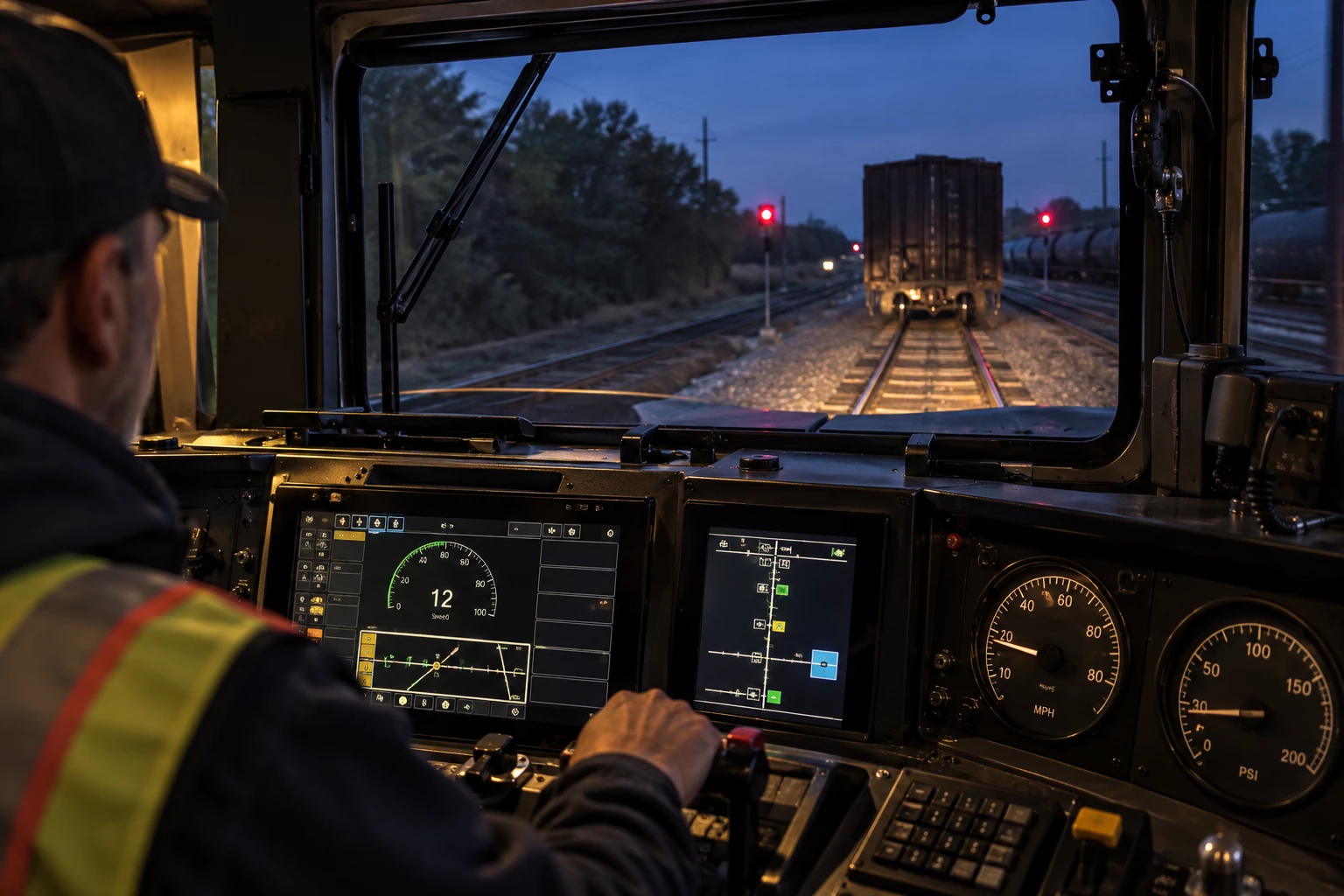
Railroad workers operating under restricted speed cannot assume that Positive Train Control (PTC) will protect them from every obstruction, standing train, or improperly lined switch ahead. After seven recent collisions, the Federal Railroad Administration (FRA) is warning railroads that crews may be relying too heavily on PTC Restricted Mode and that railroads need stronger training, testing, and supervision around restricted-speed operations.

The FRA issued Safety Advisory 2026-01: Restricted Speed on September 3, 2026. The advisory follows seven collisions between February 2024 and May 2026 that FRA says, based on preliminary investigations, appear to involve failures to comply with restricted-speed operating rules or related signal indications.

For conductors, engineers, and other railroad workers, the warning matters because FRA is not treating these events as simply a question of exceeding a numerical speed limit. The agency is focusing on whether trains can actually stop within the required distance under the conditions crews are facing.

Restricted Speed Is Not Simply a 20 MPH Speed Limit

Under FRA’s definition, restricted speed requires a train or other equipment to move at a speed that allows it to stop within one-half of the operator’s range of vision, and generally not to exceed 20 mph unless railroad operating rules impose a lower limit.

That means 20 mph is not automatically safe.

The appropriate speed can be substantially lower depending on visibility, curvature, grade, weather, train length, tonnage, braking characteristics, and other conditions affecting stopping distance. FRA emphasized that the ability to stop within one-half the range of vision controls, even when a timetable, railroad rule, or train-control system permits a higher speed.

For example, FRA explained that if conditions allow a crew to see only 20 car lengths of clear track, the train must be able to stop within 10 car lengths. Darkness, curves, weather, or other visibility restrictions can therefore require a significant reduction in speed.

FRA Says Crews May Be Relying Too Heavily on PTC Restricted Mode

PTC is designed to prevent certain types of train-to-train collisions, overspeed derailments, work-zone incursions, and movements through improperly positioned main-line switches. But PTC does not eliminate the need for crews to comply with restricted-speed rules.

FRA’s concern is particularly focused on PTC Restricted Mode.

In many PTC configurations, Restricted Mode can enforce an upper speed limit. It does not, however, determine whether the train can actually stop within one-half the crew’s current range of vision. FRA specifically warned that PTC in Restricted Mode does not detect standing equipment or misaligned switches and does not provide a visual safeguard for the crew.

This distinction is critical. A train can remain below a PTC-enforced speed and still be moving too fast to comply with restricted-speed requirements under the actual conditions ahead.

Seven Recent Collisions Prompted FRA’s Warning

The seven events cited by FRA occurred between February 22, 2024, and May 18, 2026, at reported collision speeds ranging from 12 to 30 mph.

The consequences included freight-car derailments, collisions with standing equipment, a three-train collision, multiple locomotive derailments, and a December 2025 derailment involving passenger equipment that resulted in passenger and crew injuries. FRA cautioned that its findings concerning the seven events remain preliminary.

FRA also said its preliminary investigations indicate that restricted-speed collisions frequently involve multiple contributing factors rather than one isolated mistake. The agency identified excessive reliance on PTC, failure to reduce speed due to limited visibility or train-handling characteristics, engineer or conductor distraction, and inadequate reliance on representative operational testing as issues in its investigations.

That point matters. Railroad safety investigations should not end with the question of whether an individual crew member could have reacted differently. They also need to examine the railroad’s training, supervision, operational testing, rules, technology, and operating practices.

FRA Is Calling for Changes in Training, Testing, and Supervision

Safety Advisory 2026-01 makes several recommendations directly to railroads. FRA wants carriers to review the seven collisions with operating employees, reevaluate restricted-speed training, reinforce that PTC is only an overlay, increase operational testing, and improve crew communication and situational awareness.

The agency specifically recommends scenario-based training addressing visibility, locomotive orientation, train length and tonnage, grade, curvature, braking, and environmental conditions. FRA also recommends more representative operational testing on main tracks, sidings, yards, and terminal tracks, including tests involving trains following other trains into occupied blocks or sidings. Where practicable, FRA says railroads should review locomotive event-recorder and onboard-video data when evaluating compliance.

FRA further directed railroads to reinforce active communication among crew members regarding signal indications, track conditions, and the locations of other trains and equipment. When conditions ahead are uncertain, FRA recommends reducing speed or stopping until the situation is understood.

What the Advisory Means for Injured Railroad Workers

The advisory is not a new regulation. FRA expressly states that Safety Advisory 2026-01 does not alter existing federal requirements, operating rules, or legal obligations.

But when a railroad worker is injured in a collision or derailment involving restricted-speed operations, the issues identified by FRA can point investigators toward important evidence.

A potential claim under the Federal Employers’ Liability Act (FELA) requires an examination of whether railroad negligence contributed to the worker’s injury. Depending on the circumstances, that investigation may include the railroad’s training, supervision, operational-testing program, applicable operating rules, PTC data, event-recorder information, onboard video, signal indications, dispatch records, crew communications, train makeup, braking performance, track geometry, visibility, and environmental conditions. Understanding how FELA works when railroad negligence contributes to an injury requires looking beyond the fact that a collision occurred and determining why the movement was allowed to develop as it did.

That evidence can disappear or become harder to obtain quickly. Locomotive data may be downloaded, equipment can return to service, video may be overwritten, and workers can be asked for statements while the railroad is already conducting its own investigation. Knowing what to do after a railroad injury can help preserve accurate information before conditions change.

For serious cases, the FELA investigation and case-development process should examine both what the crew did and what the railroad did before the collision, including whether its training, testing, supervision, and operating practices adequately addressed a known restricted-speed hazard.

Injured in a Collision, Derailment, or Restricted-Speed Movement?

If you were injured while working for a railroad in a collision, derailment, or other movement involving restricted speed or PTC, McEldrew Purtell can review what happened and help identify the evidence that may matter under FELA.

Contact McEldrew Purtell’s railroad injury team for a free and confidential consultation about your injury and potential legal options.

NTSB Calls for Ban on Riding Rail Equipment for Point Protection During Shoving Movements

For railroad employees working switching assignments, riding the point during a shove can put the worker directly in the path of close clearances, collisions, derailments, slack action, and crossing traffic. The National Transportation Safety Board (NTSB) now says that exposure should end.

In a report adopted September 17, 2026, the NTSB recommended that the Federal Railroad Administration (FRA) prohibit railroads from allowing employees to provide point protection by riding equipment during shoving movements. The agency also directly called on Class I railroads to prohibit the practice. The recommendations followed 16 NTSB investigations between October 2020 and December 2025 in which 14 railroad workers were killed, and two were seriously injured while riding equipment during shoving movements.

The significance goes beyond telling workers to be more careful. The NTSB is calling for railroads to identify hazards before the movement begins, evaluate safer ways to provide point protection, and include those hazards in the job briefing.

What Is the NTSB Recommending?

The NTSB issued several recommendations to change how shoving movements are protected.

It is asking the FRA to prohibit employees from providing point protection while riding railroad equipment. The NTSB also wants railroads to conduct and document site-specific hazard analyses and use that information during pre-job briefings. Class I railroads received parallel recommendations to make those changes directly, while the American Short Line and Regional Railroad Association was asked to warn its members about the hazards identified in the report.

A site-specific analysis would look at factors including track, walkway, and roadway conditions; visibility; switches and derails; close clearances; employee safety; and whether technology or another method could provide point protection without requiring an employee to be on moving equipment.

That is an important change in emphasis. Instead of relying primarily on the worker at the point to decide whether riding is safe under the conditions they encounter, the NTSB wants the railroad to evaluate those conditions in advance and determine the safest method of protecting the shove.

Why Does the NTSB Want Workers Off Moving Equipment?

The NTSB identified several recurring ways workers have been killed or seriously injured while riding during shoving movements.

Close clearances can put a worker between the car they are riding and equipment, structures, loading docks, or other obstructions. Falls can occur because of slack action, unstable riding positions, or unexpected movement. At grade crossings, the employee riding the leading car can be directly exposed to highway vehicles. And when a shove results in a collision or derailment, a worker riding the exterior of a car has little protection from being thrown, pinned, or crushed.

The numbers cited by the NTSB are especially significant. Of 20 conductor fatalities reported to the FRA between January 2020 and July 2025, the NTSB said 14, or 70 percent, involved conductors riding trains during shoving movements. The report also cited Switching Operations Fatality Analysis data showing that 27 of 34 switching fatalities analyzed from 2011 through 2021 involved a shoving movement.

These hazards overlap directly with the types of switching, falling, struck-by, crush, and caught-between injuries addressed in railroad injuries and worksite hazards guidance.

The NTSB Is Also Questioning the Reliance on Worker Judgment

One of the most important parts of the report is its criticism of how the current system places safety decisions on individual employees.

The NTSB concluded that railroad industry rules rely heavily on employees to determine whether riding equipment is safe, necessary, or permissible. That becomes difficult when the hazard is not obvious from the worker’s position.

The report specifically identified temporary close clearances, unfamiliar yards, unusual railcar safety appliances, approaching traffic at skewed grade crossings, misaligned switches, crossovers, and derails as conditions that may expose workers to hazards they cannot adequately identify or control while riding.

The NTSB also reported that, in many of the investigations it reviewed, employees rode equipment without supervisory objection even when safer methods of point protection were available. Those alternatives can include employees positioned on the ground, walking alongside the movement, utility vehicles, shove lights, additional employees, and camera-assisted technology.

That distinction matters. There is a major difference between a railroad having a written rule that tells an employee to determine whether riding is safe and the railroad actually identifying hazards, providing a safer work method, and ensuring that the safer method is used.

This Is a Recommendation, Not Yet a New Federal Ban

Railroad workers should understand what the NTSB action does and does not change.

The NTSB recommendation does not itself amend federal railroad regulations. In its September 2026 report, the NTSB explained that current 49 CFR § 218.99 allows employees to ride equipment while providing point protection during shoving movements. The NTSB is now asking the FRA to change that regulatory framework and prohibit the practice.

The FRA had already issued safety warnings addressing the dangers. Its 2023 safety bulletins addressed fatalities involving riding equipment, unstable riding positions, and close clearances. More recently, FRA Safety Advisory 2025-02 focused on point protection and “track is clear” determinations at certain highway-rail grade crossings.

The new NTSB recommendation goes substantially further. It is not asking railroads simply to improve riding procedures. It is asking them to eliminate the use of riding equipment for point protection.

Until applicable regulations or railroad rules change, employees should continue to follow current operating rules, safety requirements, and lawful workplace procedures. The NTSB recommendation should not be treated as permission to disregard an existing rule or instruction.

What Could This Mean After a Shoving-Movement Injury?

When a railroad worker is injured while riding equipment during a shove, the fact that the employee was riding does not answer the larger question of why that work method was being used.

Under the Federal Employers’ Liability Act (FELA), a covered railroad can be liable when railroad negligence contributes in whole or in part to an employee’s injury. Whether negligence exists depends on the particular facts.

For a worker injured while providing point protection, an investigation may need to examine questions such as whether riding was required, expected, permitted, or simply customary at that location; whether supervisors knew employees regularly rode the movement; whether safer alternatives were available; whether close clearances or other hazards had been identified; what was covered in the job briefing; whether switches and derails were properly addressed; whether the worker had adequate visibility; what training had been provided; and whether previous complaints, injuries, or near misses had identified the same hazard.

The NTSB recommendation does not automatically establish negligence in an individual FELA case. But the agency’s findings can make the railroad’s work methods, hazard assessments, supervision, job briefings, training, and available alternatives important areas of investigation.

For a broader explanation of how those issues fit into a claim: How negligence and evidence work under FELA.

What If the Railroad Says the Worker Chose to Ride?

That defense deserves close examination, particularly in light of the NTSB’s findings.

A railroad may argue after an injury that the employee decided to ride, positioned themselves improperly, failed to identify a clearance problem, or otherwise violated a safety rule. But the investigation should not stop with the employee’s decision.

The NTSB specifically criticized an approach that depends heavily on the individual worker to determine whether the movement is safe while potentially lacking information about temporary close clearances, unusual equipment, switch alignment, crossing traffic, or other hazards. It also documented situations in which employees rode with no supervisory objection despite the availability of safer alternatives.

Under FELA, an allegation that the worker contributed to an injury does not automatically eliminate a claim. FELA uses comparative negligence principles, so the railroad’s conduct and the employee’s conduct must be evaluated in context. The actual work practice, training, supervision, enforcement of rules, and availability of safer methods can all matter.

Learn how a FELA case is investigated and developed.

Evidence Can Matter After an Injury During a Shove

A serious shoving-movement injury can quickly trigger a railroad investigation. Conditions in the yard can also change almost immediately.

Workers and families should preserve information they lawfully have and identify evidence that may need to be preserved, including the location and track involved, railcar identification, the planned route of the movement, switch and derail positions, visible close-clearance markings, the job briefing, radio communications, surveillance or yard camera footage, photographs, witness names, supervisor instructions, and information about how point protection was normally performed at that location.

The presence of vehicles, cameras, shove lights, additional crew members, safe walking routes, or other potential alternatives may also become relevant.

Our guidance on what to do after a railroad injury explains additional steps workers can take to protect their health and preserve accurate information after a serious injury.

Injured During a Shoving Movement?

The NTSB’s latest recommendations reflect a serious concern about exposing railroad workers to hazards while riding equipment during shoving movements. If you were seriously injured while riding railroad equipment, or if your family lost a railroad worker during switching operations, the circumstances warrant a careful investigation of the work method, job briefing, yard conditions, supervision, railroad rules, and any safer alternatives that may have been available.

McEldrew Purtell represents railroad workers and families in FELA matters. You can contact our railroad injury team for a free and confidential consultation to discuss what happened and whether railroad negligence may have contributed to the injury or death.

Fatal Accidents Involving Railroad Employees: What Families Should Know About Wrongful Death Claims Under FELA

A fatal railroad accident leaves families facing far more than grief. Many are suddenly dealing with lost income, unanswered questions about what happened, and pressure from railroad investigators before they fully understand their rights.

If a railroad employee is killed while working for his or her employer, it is very likely that his or her family has a wrongful death claim under the Federal Employers’ Liability Act (FELA). What families do in the first days and weeks after a fatal railroad incident can have a major impact on the evidence, the investigation, and any future wrongful death claim.

What Is FELA?

The Federal Employers’ Liability Act (FELA) is a federal law that protects railroad employees injured or killed while working for interstate rail carriers. Unlike standard workers’ compensation systems, FELA allows injured workers or surviving families to bring claims directly against the railroad when negligence contributed to the incident.

Under FELA, railroads have a legal duty to provide their employees with a reasonably safe workplace. That can include:

  • Maintaining safe tracks, crossings, and equipment
  • Properly training employees
  • Enforcing safety rules
  • Providing adequate staffing
  • Addressing known hazards
  • Preventing unsafe working conditions

If the railroad’s negligence contributed even in part to an employee’s death, surviving family members may have the right to pursue compensation through a wrongful death claim.

How FELA Wrongful Death Claims Differ From Workers’ Compensation

Many families assume a railroad death case works like a normal workplace fatality claim. But FELA is different.

Traditional workers’ compensation systems generally provide limited benefits regardless of fault. In contrast, FELA requires proof that the railroad was negligent, but it can allow families to recover substantially broader damages.

Potential damages under a FELA wrongful death claim may include:

  • Loss of financial support
  • Loss of benefits and retirement income
  • Funeral and burial expenses
  • Loss of care, guidance, and household services
  • Conscious pain and suffering before death in some cases

FELA cases are also handled in state or federal court rather than through a workers’ compensation administrative process.

What Types of Railroad Incidents Lead to Fatal FELA Claims?

Fatal railroad accidents can happen in many ways. Some of the most serious cases involve:

  • Train collisions
  • Derailments
  • Track defects
  • Switching accidents
  • Crushing incidents
  • Falls from equipment
  • Defective locomotives or railcars
  • Electrical hazards
  • Toxic chemical exposure
  • Fatigue-related incidents tied to scheduling practices

Some deaths happen immediately. Others occur days or weeks after catastrophic injuries.

In some cases, federal investigators from agencies such as the Federal Railroad Administration (FRA) or the National Transportation Safety Board (NTSB) may become involved. Their findings can become important evidence, but families should understand that these investigations are separate from a civil wrongful death claim.

What Families Should Do First After a Fatal Railroad Accident

The period immediately after a railroad employee’s death is often chaotic. While families are grieving, railroads and investigators may begin collecting statements and evidence within hours.

Families should focus first on protecting themselves and preserving information.

1. Do Not Assume the Railroad Will Protect Your Interests

Railroad companies often deploy claims representatives and investigators quickly after a fatal incident. Their goals may include limiting liability and controlling information about the event.

Families should be cautious about giving recorded statements or signing documents before understanding their legal rights.

2. Preserve Documents and Evidence

Important evidence can disappear quickly after a railroad fatality.

Families should try to preserve:

  • Photographs
  • Text messages
  • Work schedules
  • Incident reports
  • Medical records
  • Names of witnesses
  • Communications from the railroad
  • Union records or correspondence

Even seemingly minor details can become important later.

3. Request Information Carefully

Families may be entitled to certain records and investigative materials, but railroads do not always provide complete information voluntarily or immediately.

It is important to keep copies of all communications and documents related to the incident.

4. Speak With a Lawyer Familiar With FELA Cases

FELA claims are highly specialized. Railroad companies and their insurers typically have experienced legal teams handling these cases from the beginning.

An attorney familiar with railroad wrongful death litigation can help families understand:

  • Whether negligence may have contributed to the death
  • What evidence should be preserved
  • Which deadlines apply
  • How federal railroad regulations may affect the case
  • What compensation may be available

Common Questions Families Have After a Railroad Worker’s Death

Who Can File a FELA Wrongful Death Claim?

Eligible family members can include:

  • Spouses
  • Children
  • Dependent parents
  • Certain other dependents in some circumstances

The specific structure of the claim can depend on the worker’s family situation and applicable law.

How Long Do Families Have to File a FELA Claim?

FELA generally has a three-year statute of limitations, but waiting can seriously affect the availability of evidence and witness testimony.

Early investigation is often critical in fatal railroad cases.

What if the Employee Was Partially at Fault?

FELA uses a comparative negligence system. A family may still recover compensation even if the railroad employee shared some responsibility for the incident.

The railroad may attempt to shift blame to the deceased employee, which makes an independent investigation especially important.

Why Railroad Death Cases Can Be Complex

Railroad fatality cases often involve overlapping issues, including:

  • Federal safety regulations
  • Internal railroad operating rules
  • Equipment inspections
  • Electronic data records
  • Crew communications
  • Scheduling and fatigue practices
  • Multi-employer job sites
  • Contractors and third-party liability

Some cases also involve allegations that railroads ignored known hazards, failed to repair dangerous conditions, or pressured employees to operate in unsafe circumstances.

Determining exactly what happened may require extensive investigation and expert analysis.

How McEldrew Purtell Can Help

Our firm has a dedicated team specializing in FELA and railroad litigation. We work to help families understand what happened, preserve critical evidence, and pursue accountability when negligence may have contributed to the death of a railroad employee.

If your family lost a loved one in a railroad accident, McEldrew Purtell can help you understand your options under FELA and related wrongful death laws. Contact our team for a free and confidential consultation.

FELA vs. Workers’ Comp: What Qualifies as a FELA Claim?

One of the most important questions in a railroad injury case is whether the claim falls under a state’s workers’ compensation law or the Federal Employers’ Liability Act (FELA). The answer to this question can have a dramatic impact on the benefits available to an injured worker and their family.

For employees of public transit systems like SEPTA, the answer is not always obvious. Many injured rail and transit workers assume that they are limited to workers’ compensation benefits. What they may not realize is that some SEPTA workers may actually be covered by FELA instead. But this doesn’t apply to everyone. Railside employees of SEPTA are covered by the FELA; cityside employees of SEPTA are covered by state workers’ compensation laws.

If you’re injured at SEPTA, do not just go by what SEPTA’s claims agent tells you. Determining whether the FELA covers your injury may seem complicated, but we’re here to help you figure it out.

The Basic Difference Between Workers’ Compensation and FELA

Workers’ compensation is generally a no-fault system. An injured employee usually does not need to prove the employer did anything wrong. In exchange, damages are limited. Workers’ compensation typically covers medical treatment and a portion of lost wages, but not full pain and suffering damages.

FELA works differently.

FELA is a federal negligence statute that applies to qualifying railroad employees. To recover under FELA, the worker must prove that the railroad’s negligence contributed to the injury. If that burden is met, the employee may recover substantially broader damages than under workers’ compensation, including compensation for pain and suffering, full wage loss, and future economic damages.

Because the systems are so different, determining which law applies is often the most important issue at the start of the case.

Not Every Rail Employee Is Covered by FELA

A common misconception is that anyone who works around trains is automatically protected by FELA. The law is narrower than that.

FELA applies to employees of a “common carrier by railroad” engaged in interstate commerce. Courts have repeatedly emphasized that not every transit or rail-style operation qualifies. Subways, rapid transit systems, trolleys, and local transit operations may fall outside FELA coverage even though they operate on rails.

That distinction becomes especially important in cases involving transit authorities like SEPTA.

Why SEPTA Cases Can Be Complicated

SEPTA operates different divisions that do not always receive the same treatment under FELA analysis.

Courts have distinguished between SEPTA’s Regional Rail operations and its City Transit operations. Regional Rail has generally been treated as the portion of SEPTA that can support FELA coverage because it functions more like a traditional interstate railroad service. City Transit operations, including subway and rapid-transit systems, have faced challenges under FELA because courts have treated them differently.

That means two employees working for the same agency may end up under completely different legal systems, depending on the nature of their jobs.

The Key Factors Courts Look At

When evaluating whether an injured employee falls under workers’ compensation or FELA, several facts become critically important:

1. The Employee’s Division

The worker’s specific division within the organization often matters greatly. In SEPTA cases, courts have treated Regional Rail differently from City Transit.

2. The Type of Transportation System

Courts analyze whether the operation functions as a traditional railroad or as a rapid-transit or subway system. Even though both may use rail tracks and train cars, they are not always treated the same under federal law.

3. The Employee’s Actual Job Duties

Titles alone can be misleading. Labels like “operator” may refer to very different jobs depending on the system involved. A Regional Rail crew member may be covered by FELA, while a subway operator may not.

4. The Nature of the Work Being Performed

Courts often examine whether the employee’s duties are connected to railroad operations traditionally covered by FELA or to local transit services that are treated differently under the law.

Why the Coverage Decision Matters So Much

The difference between workers’ compensation and FELA affects nearly every aspect of the claim.

Under workers’ compensation:

  • Fault usually does not matter
  • Damages are limited
  • Pain and suffering are generally unavailable
  • Recovery is controlled through an administrative system

Under FELA:

  • The worker must prove negligence
  • Rail employees can recover for past and future earnings, pain and suffering, and future medical expenses
  • Full litigation procedures apply
  • The value of the claim may be significantly larger in serious injury cases

That is why coverage disputes can become major litigation battles before the injury itself is even fully addressed.

FELA Still Requires Proof of Negligence

Even if an employee qualifies for FELA coverage, the case is not automatic.

The injured worker must still prove that the railroad’s negligence contributed to the injury. These claims often involve allegations such as:

  • Unsafe work conditions
  • Defective equipment
  • Inadequate staffing
  • Poor maintenance
  • Unsafe procedures
  • Repetitive-stress exposure
  • Failures to inspect or correct known hazards

Evidence connecting the injury to negligence is crucial for an FELA claim to be viable.

Repetitive Trauma Can Also Fall Under FELA

FELA cases are not limited to catastrophic accidents or derailments.

Courts have recognized claims involving repetitive stress and cumulative trauma injuries arising from railroad work. Employees performing repetitive physical tasks over long periods may develop injuries involving the back, shoulders, hands, wrists, or other body parts.

These claims can be particularly important in rail operations where employees perform the same physical movements every day.

Early Investigation Is Critical

Because the coverage question can determine the entire direction of the case, early factual investigation matters enormously.

Before filing suit, counsel should identify:

  1. The employee’s exact job title
  2. The division where the employee worked
  3. The nature of the rail or transit system involved
  4. The employee’s day-to-day job duties
  5. Whether the claim involves an acute injury, repetitive trauma, or both
  6. The evidence supporting negligence

Mistakes at this stage can lead to filing the case under the wrong legal framework.

The Bottom Line

The most important question in many railroad and transit injury cases is not simply how the injury occurred. It depends on whether the employee is covered by workers’ compensation or FELA.

For employers like SEPTA, that determination may depend on the worker’s division, job duties, and the type of transportation system involved. Employees working around trains are not automatically covered by FELA, and the distinction between railroad operations and rapid-transit systems can determine the outcome of the case. Understanding that difference early can shape everything from case value and damages to forum selection and litigation strategy.

If you or your client is dealing with a serious railroad or transit injury claim, McEldrew Purtell can help evaluate whether the case falls under FELA or workers’ compensation and determine the legal strategy that best protects the employee’s rights.

Comparative negligence under FELA: what it means and how railroads try to shift blame

One of the biggest battleground issues in a FELA case is comparative negligence. Railroads often use it to argue you were partly at fault and to push the value of your case down.

Here is what comparative negligence means under FELA and the common tactics railroads use to shift blame.

What FELA Requires to Recover

FELA allows injured railroad employees to pursue damages when an injury results in whole or in part from the railroad’s negligence.

That can include unsafe work methods, inadequate training, understaffing, defective tools or equipment, poor lighting, uneven walking surfaces, and other preventable hazards.

Comparative Negligence Under FELA: The Basics

Under FELA, the fact that an employee may have been negligent does not bar recovery. Instead, a jury can reduce damages in proportion to the employee’s share of fault.

Example: If a jury finds your total damages are $500,000 but says you were 20 percent at fault, the award can be reduced by 20 percent.

The Key Exception: Safety Statute Violations

FELA includes an important protection for workers. If the railroad violated a safety statute enacted for employee safety and that violation contributed to the injury, the worker cannot be treated as contributorily negligent for purposes of reducing damages.

In practice, this can be a major issue in cases involving violations tied to railroad safety rules and regulations.

Assumption of Risk Is Not a Defense

Railroads sometimes try to frame injuries as just part of the job. But FELA limits that argument. The statute says an employee is not considered to have assumed the risks of employment where the injury resulted in whole or in part from the railroad’s negligence, and it also addresses situations involving safety statute violations.

How Railroads Try to Shift Blame After a Railroad Injury

Railroad claim departments and defense teams often move quickly after an incident. Common strategies include:

1. Controlling the narrative early

They may push for written statements, recorded calls, or informal interviews while you are still in pain or medicated.

2. Focusing on rule compliance by the worker

Expect questions like:

  • Were you wearing the right PPE?
  • Did you follow every rule to the letter?
  • Did you choose the safest path or method?
  • Did you stop the job or report the hazard?

Even when the railroad created unsafe conditions, these questions are often used to argue comparative negligence.

3. Blaming the worker’s judgment under time pressure

Railroads know workers are often expected to move fast. They may later argue you should have slowed down, refused a task, or taken a different approach.

4. Pointing to training and safety meetings as a shield

They may rely on generic training records to claim you were fully trained, even if the real-world job conditions were unsafe or the training was inadequate for the task.

5. Minimizing the railroad’s role in causation

FELA has a worker-friendly causation standard. The railroad can still be liable if its negligence caused or contributed to the injury.

Defense teams often try to reframe the incident as entirely worker-caused to avoid that standard.

What You Can Do to Protect Your FELA Claim

You do not need to fight this alone, but there are practical steps that often matter:

  • Get medical care immediately and follow up consistently.
  • Report the injury, but be cautious about giving detailed statements without advice.
  • Document the scene if you can: photos, equipment numbers, track conditions, lighting, weather, and names of witnesses.
  • Write down what happened while it is fresh, including deadlines, staffing levels, and any prior complaints about the hazard.
  • Keep copies of any paperwork the railroad gives you.

Why This Matters for Case Value

Comparative negligence can affect every part of a FELA case: settlement negotiations, trial strategy, and the final damages a jury awards. Railroads know that even a small blame shift can mean a large reduction in compensation.

Talk With a FELA Lawyer Before the Railroad Locks in Its Version

If you were hurt working for the railroad, McEldrew Purtell can evaluate whether the railroad’s negligence played a role, identify potential safety violations, and push back against blame-shifting tactics. Contact our team today to discuss your FELA rights and the next steps.

Everything You Should Know About FELA Claims

As a hardworking railroad employee, you enjoy many exciting career opportunities but are also exposed to alarming risks. It’s common to suffer minor scrapes, but railroad workers are also vulnerable to broken bones, concussions, or even severe burns. 

Given these risks, it’s important to be fully prepared for the real possibility of suffering a workplace injury. Research highlighted by the National Safety Council (NSC) revealed that railroad employees suffered 3,216 workplace injuries in 2021. That year, 11 railroad workers tragically died on the job. 

Federal Employers’ Liability Act (FELA) claims address the inherent risks of railroad work by providing a targeted approach to obtaining compensation for employees. The process for securing damages can seem complex, but it offers a compelling opportunity to recover damages beyond what might be available under conventional workers’ compensation. 

If you understand how this process works and what you stand to gain, you could leverage this opportunity to maximize your damages. Keep reading to learn why it’s so important to get a skilled FELA claims attorney in your corner. 

What Is a FELA Claim?

The Federal Employers’ Liability Act provides an alternative avenue for railroad workers to seek relief after suffering on-the-job injuries. The legislation became necessary more than a century ago, when the proliferation of railroads led to a shocking number of employee deaths and injuries. 

Drawing on examples of states that had successfully implemented legislation to protect railroad workers, the U.S. Congress passed the act to overcome many of the limitations posed by workers’ comp — which, at the time, was generally the only option employees had to collect damages. 

FELA claims should not be confused with workers’ compensation. Both solutions do provide compensation opportunities for employees who have been injured on the job. That being said, FELA was purposefully enacted to exempt railroad professionals from state-based workers’ comp rules. 

FELA applies a fault-based approach, whereas workers’ comp removes fault from the equation to prevent workers from filing personal injury lawsuits against their employers. Under FELA, however, injured employees can file lawsuits, so long as they can prove some degree of fault on the employer’s part. 

How FELA Claims Work

FELA is not centered on employers’ insurance companies; rather, it involves filing lawsuits at the state or federal level. These claims bypass the limits on damages typically applied in workers’ comp cases, so they largely mirror personal injury lawsuits in this regard. 

Coverage

At first glance, FELA coverage seems simple: If you’re a railroad worker and suffer an injury on the job, you should be entitled to damages. In reality, however, much of the conflict in FELA cases stems from the definitions of who exactly qualifies as “employed” and whether they were actually injured in the line of work. 

What’s more, FELA applies only to common carriers engaged in interstate commerce. Although the burden of proof is significantly lower than in personal injury claims, it’s still necessary to demonstrate some degree of negligence.

Thankfully, the FELA definition of “agent” is extensive enough to cover those classified as independent contractors. Still, most defendants will argue that claimants are ineligible. 

Some have claimed that if the injured worker was not actually on the clock at the time of the injury, they are not eligible for compensation. Often, these questions are settled on a case-by-case basis, reinforcing the need for strong legal representation. 

FELA Claims Benefits

Depending on the nature of your injuries and the quality of your legal representation, you could secure extensive benefits upon filing a FELA claim. These typically fall under a few main categories: 

  • Medical expenses: Health care bills can add up quickly after a railroad injury. From hospital visits to medications and even long-term physical therapy, these bills can be covered if your FELA claim is successfully resolved. This category accounts for both the medical bills incurred at the time of the claim and additional health care costs anticipated in the future. 
  • Lost wages: Many railroad injuries are severe enough to prevent employees from returning to work immediately. These lost wages can be especially alarming when medical bills begin to pile up. Compensation for lost wages should limit the financial suffering that can occur if you’re unable to work. If your railroad injury results in a long-term disability, this category may also include lost future earnings. 
  • Pain and suffering: All types of railroad injuries can lead to significant emotional distress. In some cases, this becomes severe enough to lead to diagnoses of depression, anxiety, or post-traumatic stress disorder. Even if mental concerns don’t reach the level of being diagnosable, you deserve damages in recognition of your physical and emotional suffering. This is where non-economic damages such as pain and suffering come into play. 

FELA Claims Process

If you’ve been injured on the job and are ready to proceed with the FELA claims process, it’s crucial to contact a knowledgeable attorney who can provide valuable legal advice. As we’ve discussed, this representative will help you demonstrate your eligibility while also clearing hurdles such as the burden of proof. 

Once you’ve contacted an attorney, the process will largely resemble that of a personal injury lawsuit. Both your attorney and your employer will conduct thorough investigations into the incident, followed by discussions of a settlement. The claim must be filed within the three-year statute of limitations.

While some cases are settled quickly, it’s possible that your attorney will move forward with filing and serving a complaint. The defendant must respond within a predetermined period. The discovery process follows, encompassing the exchange of relevant documents, written questions known as interrogatories, and perhaps even depositions under oath. 

Sometimes, mediation is pursued in hopes of resolving the case before it goes to trial. Otherwise, attorneys for both sides will have the opportunity to present the facts of the case to a jury or judge. 

It Could Be Time to Hire a FELA Claims Lawyer

A skilled FELA claims lawyer could make a world of difference as you seek damages. Don’t suffer in silence; work with a FELA attorney to get the compensation you deserve. To learn more about this process and what experiences FELA attorneys can do for you, get in touch today. 

Elements of a Train Accident Lawsuit

Train accidents can lead to devastating injuries. This catastrophic harm can lead to high medical bills, financial struggles, and severe pain. These accidents are often the result of negligence. You could be owed substantial compensation for your injuries if that is the case.

If you were recently involved in a train crash, you could have a case for a train accident lawsuit. Your attorney can help you prove the elements of your claim and help you seek the compensation you deserve.

What Is a Train Accident Lawsuit?

A train accident lawsuit is like other legal claims that seek monetary compensation from a negligent party. This usually occurs when train passengers sue the train company or other negligent party for their injuries. Their careless actions or inactions may make them legally liable to the injured parties.

High-speed trains, commuter trains, and much more may be involved in a railroad accident. Train cars may derail, high-speed trains can crash, and an accident at a railroad crossing could cause severe injuries.

What Makes Up a Train Accident Lawsuit?

There are many parts to a train accident lawsuit. Every case is different, and its unique facts may change how the case should be handled. This could even mean different legal causes of action depending on the type of accident, how it occurred, or the injuries involved.

Injury or Death Due to Train Collisions

A train crash is likely to cause very serious injuries or even death. Serious and catastrophic injuries are not only painful, but they also require serious medical intervention. Injuries from a train accident may include, but are not limited to:

  • Broken bones
  • Traumatic brain injury
  • Severe burns
  • Lacerations and cuts
  • Loss of limb or amputation
  • Paralysis and spinal cord injuries

The other possibility is that a person dies in a train accident. When this happens, a wrongful death lawsuit is likely appropriate. This is a lawsuit by the surviving family members for compensation related to the death of their loved one.

Negligence: Negligent Design or Operator Errors

Negligence occurs when a party breaches a reasonable duty of care to protect others. Train companies and other parties have a duty of care towards train passengers to help keep them safe.

One common problem is negligent design of the train, its parts, or even the track. When a company designs a defective or dangerous product on the train, it can cause severe injuries and even a train accident. The designer and manufacturer of that defective part may be responsible for the harm they caused.

Other train accidents are caused by operator errors. The train operator is expected to know how to safely operate and manage the train. When they are negligent, you may be able to hold the train operator responsible for your injuries.

Damages and Monetary Compensation

A train accident lawsuit seeks compensation for injured passengers and their family members. Monetary compensation may include:

  • Past and future medical costs
  • Costs of rehabilitation
  • Property damages
  • Lost income and earning capacity
  • Pain and suffering
  • Loss of consortium
  • Wrongful death damages

This monetary compensation can help you and your family move forward after a devastating train accident. Train accident victims deserve quality representation in their case.

Common Causes of Train Accidents

Determining the cause of the train accident is a key part of proving the legal claim. A qualified train accident attorney knows how to investigate the case and determine what caused it.

Dangerous Conditions

Many trains are poorly maintained and left in a dangerous condition. Train companies often fail to properly fix problems they know exist or follow standard maintenance schedules. This can lead to faulty trains that may derail, causing severe harm.

Dangerous conditions can also include:

  • Slip and fall hazards on the train
  • Exposed electrical wiring
  • Cracked train tracks
  • Lack of lights on the train, so other vehicles can’t see it

Inadequate Training

Train operators and other staff need proper training. A train is a dangerous piece of equipment. It is massively heavy and can cause severe harm. When train operators get insufficient training, they may not know how to avoid common problems or keep their passengers safe. This can lead to devastating, even deadly, accidents.

It is the train company’s job to adequately train its operators and employees. Its failure to do so could make it financially liable to you or others who were harmed in the train accident.

Driver and Pedestrian Negligence

One of the most common causes of train accidents is negligence by a driver or a pedestrian. Drivers try to outrun a train, causing a severe accident. Others leave a vehicle on the track and cause an accident that way.

Other accidents are caused by pedestrians who stay on the track even when a train is coming. The sudden stop to avoid the pedestrian can lead to passenger injuries or worse.

Traveling Too Quickly

Train operators are supposed to know how fast to travel in certain zones. Many purposely or negligently travel too fast and can cause serious injuries. This can lead to a train derailment or a crash into a train station.

Defective Tracks or Obstructions

Other train accidents are due to defective or broken tracks. Defective tracks may be caused by poor design or faulty materials. They may also be due to negligent maintenance and care of the tracks.

Train companies are also supposed to be aware of possible obstructions. Their negligence in clearing tracks may mean they owe you substantial compensation for your injuries.

Do You Need a Train Accident Lawyer?

You need train accident lawyers who know how to handle these complex cases. Train accidents are often caused by a train company’s negligence. The train company will fight hard and deploy high-powered legal teams to avoid liability.

If you were injured in a train accident, let a qualified attorney from McEldrew Purtell help you fight for the compensation you deserve. We also help small firms and individual attorneys with referral services for complex cases such as train accidents. Let us know how we can help. Contact us today.